
As I stirred the vibrant colors of my Quick and Flavorful Singapore Noodles, the aroma whisked me away to the lively streets of Singapore. This dish isn’t just about noodles; it’s a celebration of quick, exciting meals that bring the essence of Asian cuisine to your kitchen in just 35 minutes. Whether you’re seeking a comforting dinner or a crowd-pleaser for family gatherings, this recipe has you covered with its versatile ingredients, offering easy swaps for both gluten-free and vegetarian diets. You’ll be amazed at how effortlessly these flavors meld together, leaving you with a delicious meal that caters to your busy schedule. Ready to dive into this colorful adventure? Let’s get cooking!
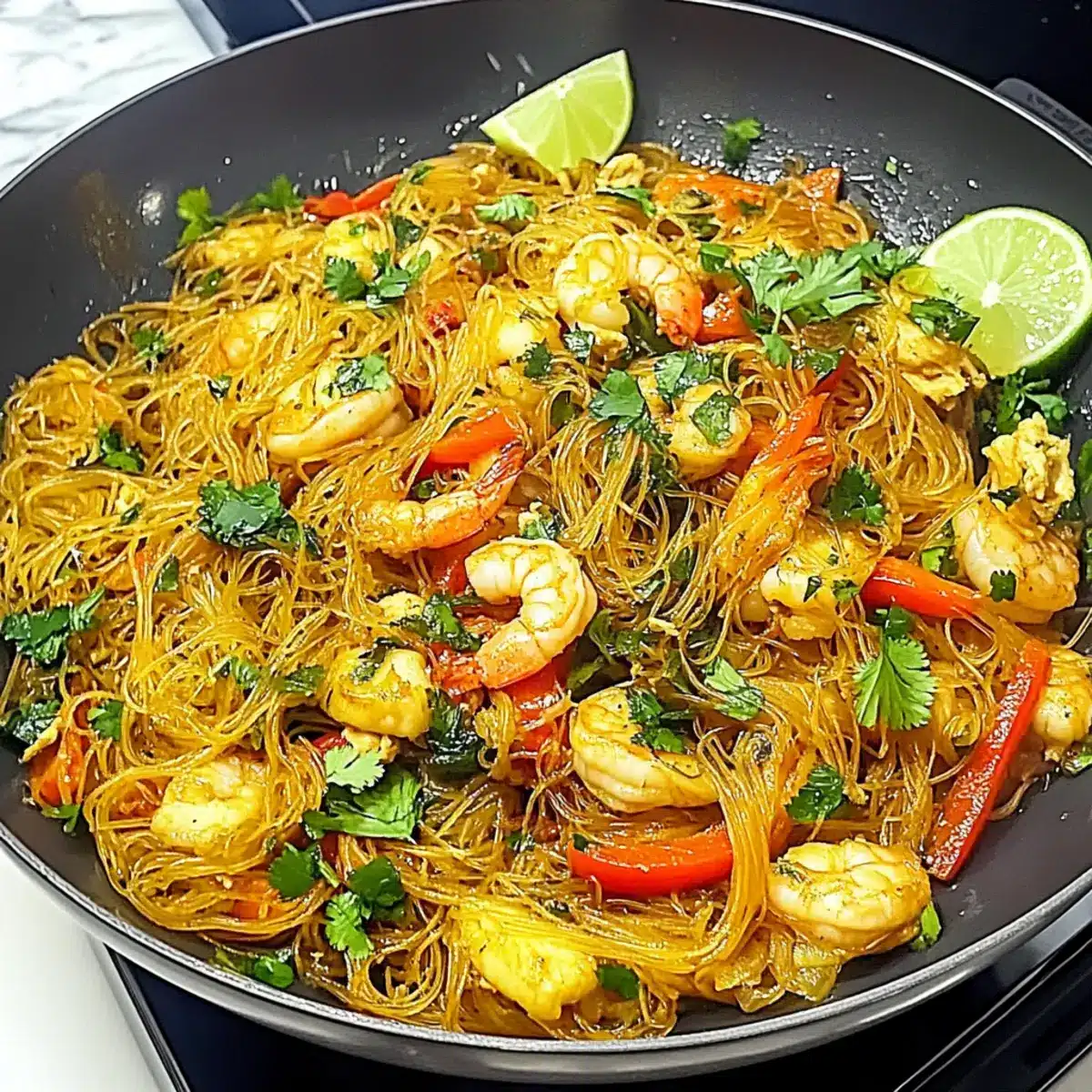
Why Are Singapore Noodles So Popular?
Quick, Delicious Meal: In just 35 minutes, you can whip up a mouthwatering dish that satisfies your cravings without the long wait.
Versatile Ingredients: This recipe allows for easy swaps, accommodating different taste preferences and dietary needs, whether you’re opting for tofu or making it gluten-free.
Flavor Explosion: The unique blend of spices, including curry powder and ginger, creates an exceptional taste that transports you straight to the streets of Singapore.
Crowd-Pleasing: Perfect for family dinners or entertaining guests, it’s a dish that always impresses while keeping everyone happy.
Healthy and Balanced: Each serving is packed with nutrients from vibrant vegetables and lean proteins, making this a win-win for your health goals.
Enjoy pairing it with a refreshing Asian-inspired salad to elevate your meal experience!
Singapore Noodles Ingredients
• Dive into the vibrant world of flavors!
For the Noodles
- Rice Vermicelli Noodles – A staple that forms the base of this dish, soak just until tender to avoid mushiness.
For the Proteins
- Boneless Skinless Chicken Breast – The primary protein source; substitute with tofu for a delightful vegetarian option.
- Large Shrimp – Adds a seafood twist, but can be omitted for a vegan alternative.
- Eggs – Brings richness; opt for a tofu scramble for a plant-based version.
For the Vegetables
- Onion – Enhances aroma and flavor; choose red or yellow for the best taste.
- Red Bell Pepper – Provides sweetness and vibrant color; green bell pepper works well too.
- Carrots – Introduces a pleasant crunch; swap with zucchini for a different texture.
For Flavor
- Garlic – Essential for a savory base, ensure it’s fresh for the best results.
- Fresh Ginger – Adds warmth; ground ginger can be a quick substitute if necessary.
- Curry Powder – Infuses the dish with depth and character; adjust for your spice preference.
For the Sauces
- Soy Sauce – Delivers umami; use tamari for a gluten-free version.
- Oyster Sauce – Adds savoriness; replace with mushroom sauce for a vegetarian choice.
- Rice Vinegar – Brightens the dish; apple cider vinegar is a handy substitute.
- Sugar – Balances the flavors; use sparingly to avoid overpowering the dish.
For Garnishing
- Green Onions – Adds a fresh crunch and visual appeal.
- Fresh Cilantro – Elevates the dish with its refreshing notes; omit if you’re not a fan.
- Lime Wedges – Serve on the side to introduce a zesty kick when needed.
Let’s get ready to cook up some unforgettable Singapore Noodles!
Step‑by‑Step Instructions for Singapore Noodles
Step 1: Soak Noodles
Begin by soaking the rice vermicelli noodles in hot water for about 5 minutes, until they are just tender but not mushy. Use a large bowl for this; they should be pliable yet firm to the bite. Once ready, drain them and set aside, allowing any excess water to remove for the perfect texture in your Singapore Noodles.
Step 2: Prepare Sauce
While the noodles soak, whisk together the soy sauce, oyster sauce, rice vinegar, and sugar in a small bowl until fully combined. This flavorful mixture will enhance your Singapore Noodles, so taste and adjust the sweetness or saltiness to your liking. Set the sauce aside, ready for the big flavor burst it will add in the final steps.
Step 3: Cook Chicken
Heat a tablespoon of oil in a large skillet or wok over medium-high heat. Add the sliced boneless chicken breast, sautéing for about 3-4 minutes until it turns from pink to white. Cook it just until done, then transfer the chicken to a plate, ensuring it remains juicy and tender while you prepare the rest of your Singapore Noodles.
Step 4: Cook Shrimp
Using the same skillet, add a bit more oil if needed and sauté the large shrimp for about 2-3 minutes, or until they turn pink and opaque. This quick cooking allows them to absorb the savory flavors from the residual chicken. Once cooked, remove the shrimp from the pan and set aside alongside the chicken to keep them warm.
Step 5: Sauté Aromatics
In the same skillet, add minced garlic and freshly grated ginger, cooking for about 30 seconds until fragrant. The heat will awaken the aromatic oils, enhancing the overall flavor profile of the Singapore Noodles. Stir continuously to avoid burning, infusing the oil with that delightful aroma you can already sense filling your kitchen.
Step 6: Cook Vegetables
Now, add sliced onion, red bell pepper, and carrots to the skillet, stirring well. Stir-fry these colorful vegetables for about 5 minutes until they are tender-crisp. The vibrant hues will brighten the dish, and they should still maintain a bit of crunch, making your Singapore Noodles visually and texturally appealing.
Step 7: Scramble Eggs
Push the cooked vegetables to one side of the skillet, creating a space to scramble the eggs. Add them directly in this space, cooking until they are fully set but still soft, about 2 minutes. Once cooked, mix them with the sautéed vegetables, adding richness and another layer of protein to your flavorful Singapore Noodles.
Step 8: Combine
Add the drained rice vermicelli noodles, cooked chicken, and shrimp back into the skillet. Sprinkle the curry powder over the mixture, tossing everything gently to combine. As you stir, ensure the noodles are coated with the spices and mingling beautifully with the proteins and vegetables in your Singapore Noodles.
Step 9: Add Sauce
Pour the prepared sauce over the ingredients in the skillet, mixing well to ensure even distribution. Let the mixture cook for an additional 1-2 minutes on medium heat, allowing the flavors to meld beautifully. The noodles will absorb the savory sauce, making every bite of your Singapore Noodles an explosion of taste.
Step 10: Garnish and Serve
Finally, stir in chopped green onions before serving. Plate the Singapore Noodles warm, garnished with fresh cilantro and lime wedges on the side. The lime will add a zesty freshness, making your dish even more delightful and giving your meal that perfect finishing touch.
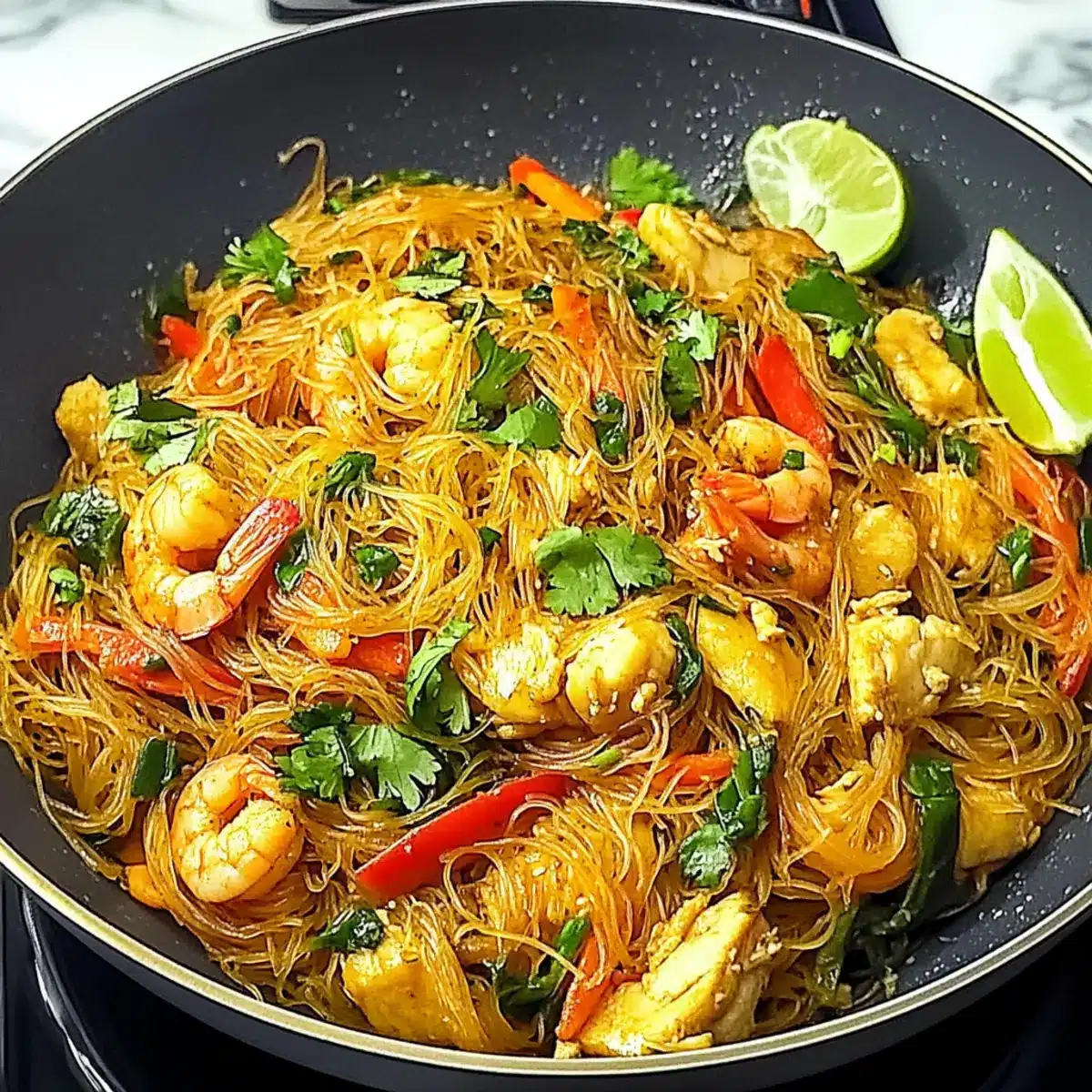
Singapore Noodles Variations & Substitutions
Feel free to explore and customize your cooking experience to make these Singapore Noodles truly your own; each variation adds delightful twists.
-
Vegetarian Option: Use tofu instead of chicken and shrimp for a hearty, plant-based dish. You’ll still get that satisfying protein kick while keeping it vibrant with veggies.
-
Add Crunch: Incorporate water chestnuts or snow peas for an extra layer of texture and freshness. This addition brings a delightful crunch that complements the dish beautifully.
-
Spice Level: For those who love heat, sprinkle in some chili flakes or a splash of sriracha. Just a little will turn up the flavor and give your noodles a tantalizing kick!
-
Different Grains: Swap rice noodles for quinoa or whole wheat noodles to boost nutrition. This option introduces a nutty taste and an appealing twist to your Singapore Noodles.
-
Sweet Twist: Experiment with adding pineapple chunks or a hint of brown sugar for a touch of sweetness. The tropical flavors can make your dish feel like a mini beach getaway!
-
Coconut Flavor: Replace part of the sauce with coconut milk for an indulgent creaminess. This transformation will give your dish a rich, aromatic quality that’s hard to resist.
-
Fresh Herbs: Substitute cilantro with basil or mint for a refreshing twist. These herbs introduce unique flavor profiles, inviting a new dimension to your meal experience.
-
Seasonal Vegetables: Use any in-season veggies to keep the dish vibrant and fresh. This not only adds colors but also maximizes the nutritional value of your dish.
Embarking on this culinary journey allows you to experiment with flavors, just like a professional chef does. Not only do these variations suit every family member, but they’ll also pair beautifully with a side of Asian-inspired salad for a complete meal!
How to Store and Freeze Singapore Noodles
Fridge: Store leftovers in an airtight container for up to 3-4 days. Be sure to cool them first to maintain freshness and prevent condensation.
Freezer: For longer storage, freeze Singapore Noodles in a safe container for up to 2 months. Allow them to cool completely before freezing to prevent ice crystals.
Reheating: When ready to enjoy, reheat on the stovetop over medium heat. Add a splash of water to keep the noodles moist and prevent sticking while warming through.
Leftover Tips: If the noodles have absorbed too much sauce, consider adding a little extra soy sauce or broth while reheating to enhance the flavor and moisture.
What to Serve with Singapore Noodles
Transform your dinner into a culinary journey with vibrant side dishes that complement every flavor and texture of this dish.
-
Creamy Coconut Soup: A warm, comforting bowl that enhances the aromatic spices in the noodles and offers a soothing balance with its creamy texture.
-
Fresh Asian Salad: Crisp, tangy, and colorful, a salad drizzled with sesame dressing adds a refreshing crunch, making for a light yet satisfying accompaniment.
-
Spring Rolls: Crispy and filled with fresh vegetables, these delightful rolls are perfect for dipping in sweet chili sauce, elevating your meal into a sharing experience.
-
Stir-Fried Greens: Sautéed bok choy or kale with garlic and ginger add a healthy, vibrant touch, ensuring each bite of noodles is complemented by delicious greens.
-
Chilled Sake: The delicate flavors of chilled sake bring a touch of elegance to your meal, smoothing out the spices and perfectly pairing with the umami-rich noodles.
-
Mango Sticky Rice: For a sweet finish, this tropical dessert brings a delightful contrast to the savory noodles, wrapping up your meal with a burst of flavor and fresh fruit.
-
Peanut Sauce Dip: Rich and creamy, this decadent dip is not just for veggies—it can take your Singapore Noodles to another level with its nutty, savory flavors.
-
Crispy Tofu Bites: Perfectly fried and seasoned, these tofu bites offer a protein-packed option, making them a versatile pairing for both vegetarian and meat-lovers alike.
Feel free to mix and match these delightful sides as you create your ideal meal experience!
Expert Tips for Singapore Noodles
-
Soak Noodles Correctly: Ensure the rice vermicelli noodles are soaked just until tender. Over-soaking can lead to mushy noodles that won’t hold up in your dish.
-
Cook Proteins Wisely: Remove chicken and shrimp from heat just before they are fully cooked; residual heat will finish the cooking process, keeping them juicy and tender in your Singapore Noodles.
-
Fluffier Eggs: For fluffier scrambled eggs, cook them separately in a small pan before adding them to the noodles. This prevents them from clumping or becoming overcooked.
-
Adjust Spice Gradually: Start with less curry powder to gauge the heat level, especially if you’re uncertain about spice. You can always add more to suit your taste.
-
Revive Leftovers: When reheating leftover Singapore Noodles, add a splash of water or broth to the pan. This helps maintain moisture and prevents the noodles from drying out.
Make Ahead Options
These Quick and Flavorful Singapore Noodles are perfect for busy home cooks looking to save time during the week! You can prep the rice vermicelli noodles and the sauce up to 24 hours in advance; just refrigerate them after preparing. Slice your vegetables and proteins (chicken and shrimp) a day ahead to keep everything fresh. When you’re ready to enjoy your meal, simply sauté the aromatics and vegetables, reheat the noodles and proteins, mix them all together with the sauce, and you’ll have a satisfying dish ready to serve in minutes. This method ensures your Singapore Noodles remain just as delicious and vibrant as when freshly made!
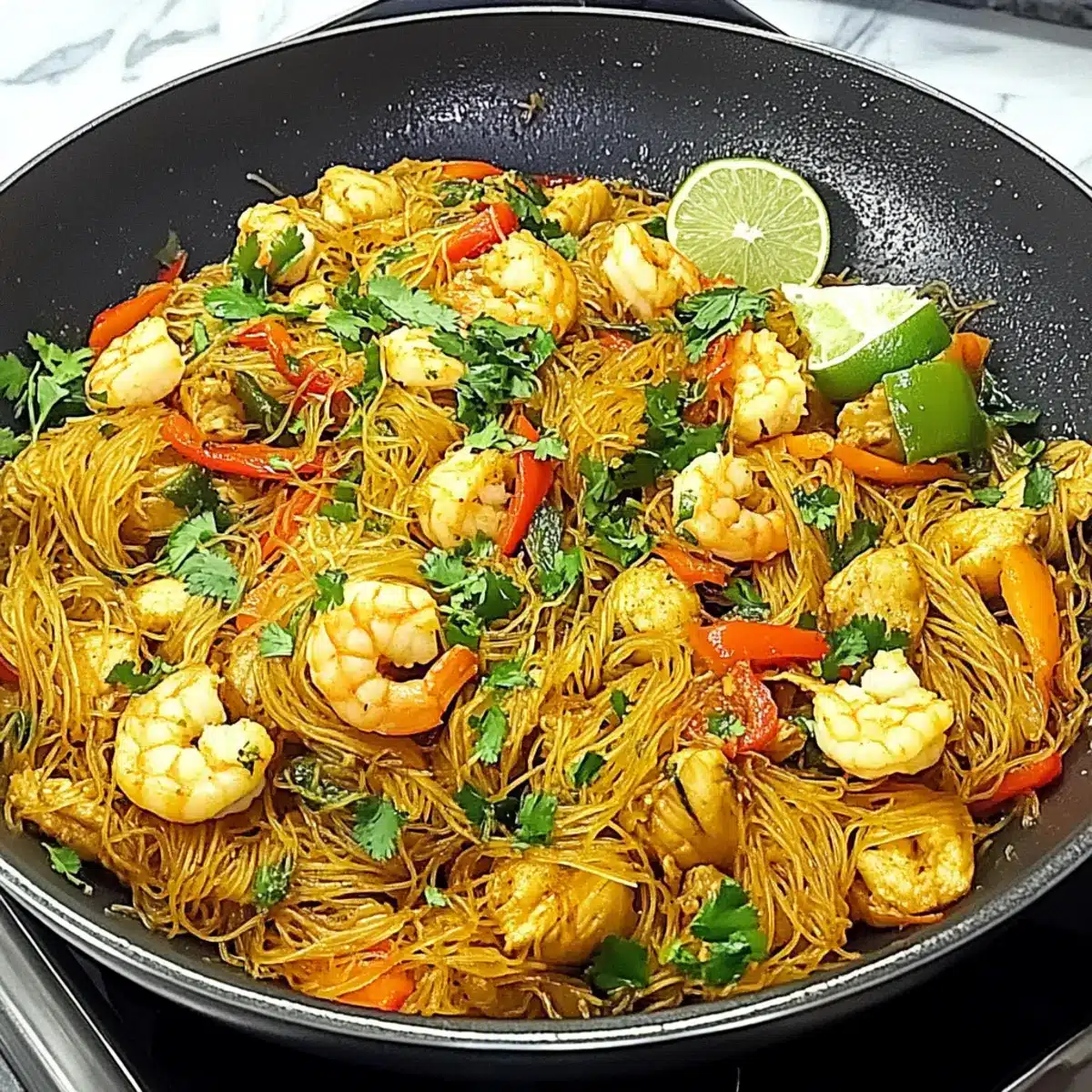
Singapore Noodles Recipe FAQs
How do I select the right rice vermicelli noodles?
Absolutely! Look for translucent, thin rice vermicelli noodles that are pliable but firm to the touch. They should not have dark spots or any signs of moisture damage, which might indicate they are stale or old. Fresh noodles will cook uniformly and won’t turn mushy.
What is the best way to store leftovers from Singapore Noodles?
I recommend storing your leftovers in an airtight container in the fridge for up to 3-4 days. Make sure they have cooled down before sealing to maintain freshness and prevent condensation from forming inside the container.
Can I freeze Singapore Noodles?
Yes, you can! For freezing, allow the Singapore Noodles to cool completely, then transfer them to a freezer-safe container. They can be frozen for up to 2 months. When ready to enjoy, reheat in a pan over medium heat and add a splash of water to prevent drying out.
What if my noodles become mushy while cooking?
If you find that your noodles are mushy, it may be due to over-soaking. For the best results, soak them in hot water for only about 5 minutes and ensure they are just tender enough to bend. If they do become mushy, you can try to salvage them by adding extra vegetables or proteins to bulk up the dish.
Are there any dietary considerations I should be aware of when making this dish?
Very! If you have allergies to common Asian ingredients like soy, use tamari or coconut aminos as a gluten-free alternative. For shellfish allergies, simply omit the shrimp and consider using extra vegetables or tofu for added protein. If you’ve pets, avoid sharing the dish directly as some ingredients like onions can be harmful to them.
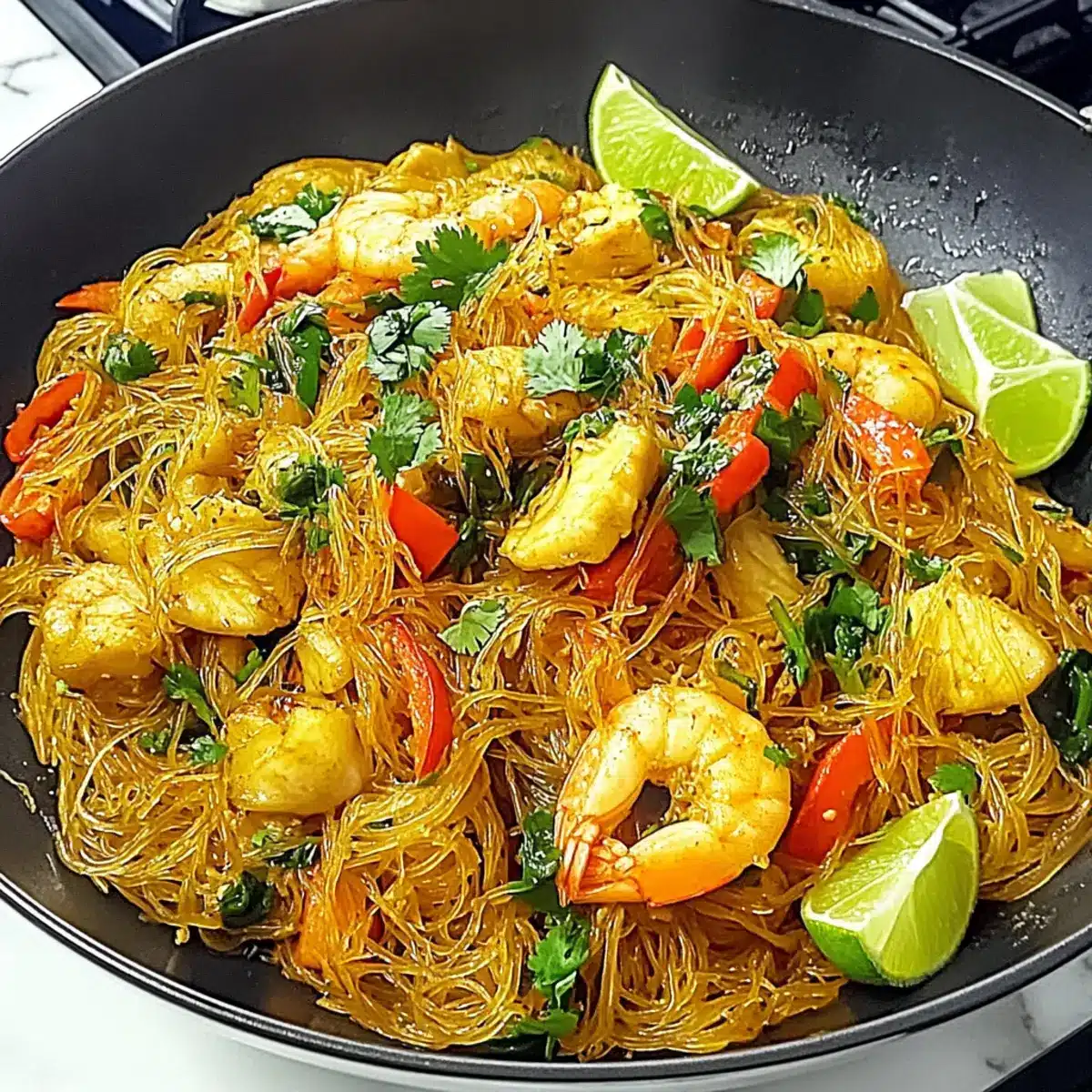
Savory Singapore Noodles: A Quick Flavor Adventure at Home
Ingredients
Equipment
Method
- Soak the rice vermicelli noodles in hot water for about 5 minutes until just tender but not mushy. Drain and set aside.
- Whisk together soy sauce, oyster sauce, rice vinegar, and sugar in a small bowl. Taste and adjust if necessary.
- Heat oil in a skillet over medium-high heat. Sauté sliced chicken breast for 3-4 minutes until cooked, then transfer it to a plate.
- In the same skillet, add more oil if needed and sauté shrimp for 2-3 minutes until pink and opaque, then remove.
- Add minced garlic and grated ginger to the skillet, cooking for 30 seconds until fragrant.
- Add sliced onion, red bell pepper, and carrots, stir-frying for about 5 minutes until tender-crisp.
- Push vegetables to one side of the skillet, scramble eggs in the empty space until just set, then mix with vegetables.
- Add the drained noodles, cooked chicken, and shrimp to the skillet. Sprinkle curry powder and toss gently to combine.
- Pour the prepared sauce over the mixture, cooking for an additional 1-2 minutes to meld flavors.
- Stir in chopped green onions before serving, garnishing with cilantro and lime wedges.
Leave a Reply