
Walking through the bustling streets of Seoul, the irresistible aroma of sizzling beef wafted through the air, pulling me into a small BBQ joint. That moment sparked my love for Korean cuisine, leading me straight to today’s recipe: Korean Beef Bulgogi. This dish beautifully marries savory and sweet notes with a tender meat texture, making it a perfect way to enjoy authentic Korean flavors at home. Not only is this recipe a crowd-pleaser that’s quick to prepare, but it’s also a wonderful comfort food option that can transform a regular dinner into something special. Whether served over steaming rice, tucked into lettuce wraps, or even in tacos, it brings joy to every meal. Ready to savor the magic of homemade Korean BBQ? Let’s dive into this flavor-packed adventure together!
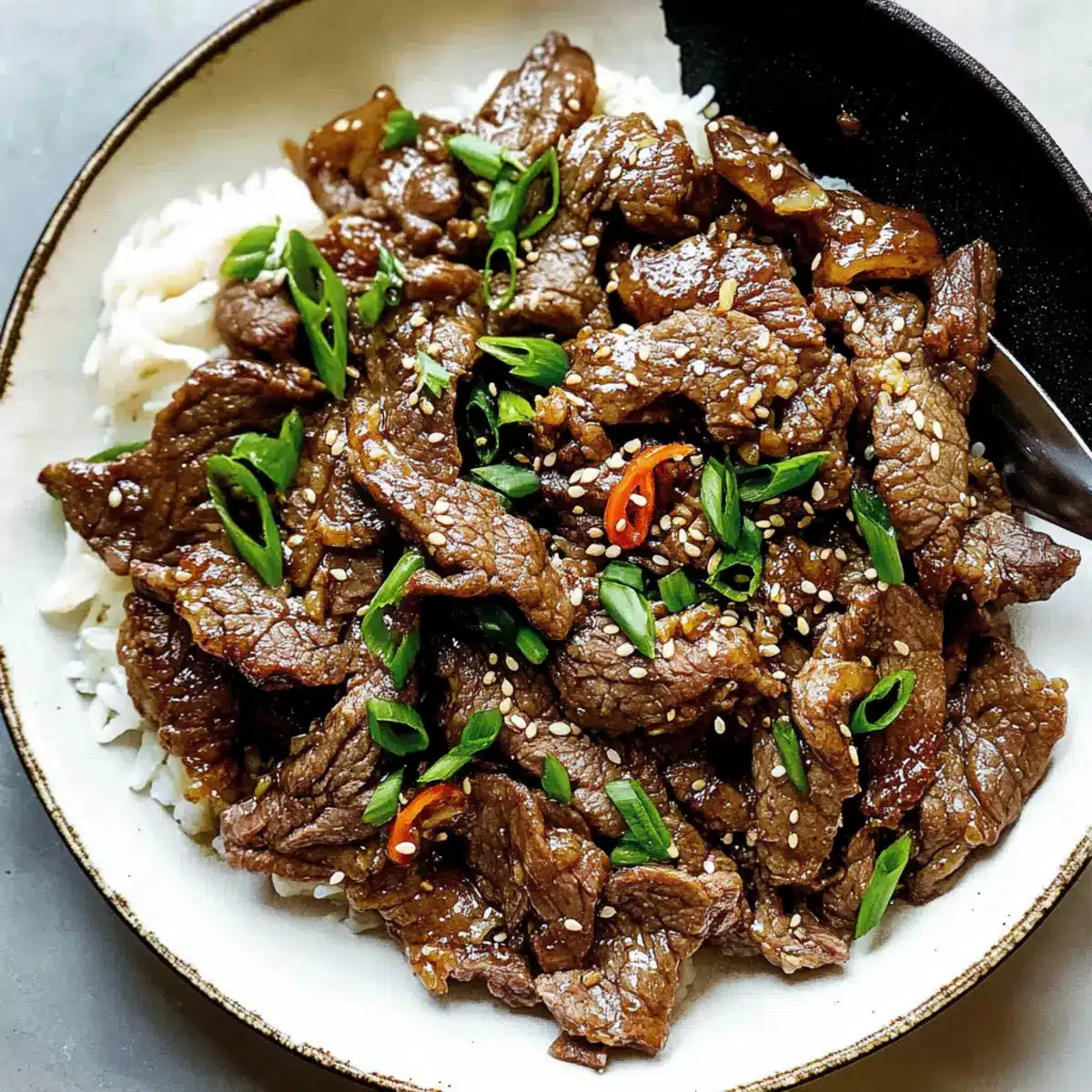
Why is Korean Beef Bulgogi a must-try?
Mouthwatering Flavor: The combination of sweet and savory notes in the marinade offers a captivating taste that keeps you coming back for more.
Speedy Preparation: With minimal effort, you can whip up this dish in under 30 minutes, perfect for busy weeknights!
Versatile Serving Options: Enjoy it as a main dish with rice, or wrap it in lettuce leaves for a fresh bite. Don’t forget to explore serving it in tacos for a fun fusion twist!
Crowd-Pleasing Appeal: Impress your friends and family with this restaurant-quality dish made right in your home kitchen!
Authentic Experience: Each juicy, tender bite encapsulates the heart of Korean BBQ, making it a delightful addition to your culinary repertoire.
For those who crave more savory flavors, you might also enjoy trying Chinese Beef and Broccoli or Ground Beef Dumplings for a different cultural experience!
Korean Beef Bulgogi Ingredients
• This is your guide to creating the perfect Korean Beef Bulgogi at home!
-
For the Beef
-
Boneless Ribeye (1½ pounds) – A tender and flavorful cut ideal for bulgogi. Substitution Note: Sirloin can be used for a leaner option; flank steak works but is less tender.
-
Yellow Onion (½ small, thinly sliced) – Adds sweetness and depth. No substitutions needed; shallots can be used for a different flavor.
-
For the Marinade
-
Soy Sauce (½ cup) – Provides the umami base. Preparation Note: Use low-sodium soy sauce to reduce saltiness if desired.
-
Brown Sugar (3 tablespoons) – Sweetness to balance flavors. Substitution Note: Honey or maple syrup can be alternatives for a different sweetness profile.
-
Mirin (2 tablespoons) – Adds sweetness and depth; rice wine is traditional. Substitution Note: If unavailable, a mix of sugar and water can mimic sweetness.
-
Sesame Oil (1 tablespoon) – Adds a distinct nutty flavor. Preparation Note: Avoid substitutes for authentic flavor.
-
Cracked Black Pepper (¼ teaspoon) – Adds a mild spice.
-
Asian Pear (1 small, about 6 ounces) – Natural sweetness and moisture. Substitution Note: A sweet apple (like Gala) can replace Asian pear.
-
Garlic Cloves (2) – For aromatic flavor; can use garlic powder in a pinch.
-
Minced Ginger (1 teaspoon) – Freshness and warmth; fresh is recommended over powder.
-
To Finish
-
Green Onion (1, thinly sliced) – For garnish and added freshness.
-
Toasted Sesame Seeds (1 teaspoon) – Provides a crunchy finish.
-
Vegetable Oil (2 tablespoons) – Cooking fat for sautéing; can substitute with canola or grapeseed oil.
Embrace the deliciousness and simplicity of this Korean Beef Bulgogi recipe, where each ingredient elevates your homemade feast!
Step‑by‑Step Instructions for Korean Beef Bulgogi
Step 1: Prepare the Beef
Begin by placing 1½ pounds of boneless ribeye on a cutting board. Use a sharp knife to slice the beef thinly against the grain and then transfer it into a large mixing bowl. Add ½ small sliced yellow onion, allowing the sweetness of the onion to complement the beef. This step should take about 10 minutes for effective preparation.
Step 2: Make the Marinade
In a separate bowl, combine ½ cup of soy sauce, 3 tablespoons of brown sugar, 2 tablespoons of mirin, and 1 tablespoon of sesame oil. Then, add ¼ teaspoon of cracked black pepper, 1 small Asian pear (peeled and chopped), 2 minced garlic cloves, and 1 teaspoon of minced ginger. Blend these ingredients until smooth to create a delicious marinade that will infuse your Korean Beef Bulgogi with rich flavors.
Step 3: Marinate the Beef
Pour the marinade over the sliced beef and onion mixture, ensuring each piece is evenly coated. Cover the bowl with plastic wrap or transfer everything to a zip-top bag. Refrigerate for a minimum of 6 hours and up to 24 hours for the best flavor infusion. This marinating process is crucial for tenderizing the meat and enhancing the overall taste of your Korean Beef Bulgogi.
Step 4: Cook the Beef
After marination, heat a large skillet over medium-high heat. Add 2 tablespoons of vegetable oil to the skillet, allowing it to warm for about a minute. Once heated, add half of the marinated beef mixture, spreading it evenly in the skillet. Cook for about 4-6 minutes until the beef is cooked through and no longer pink, stirring occasionally to ensure even cooking.
Step 5: Finish Cooking
Once the first batch is cooked, remove it from the skillet and repeat with the remaining beef mixture, adding a little more oil if needed. This ensures that each piece of your Korean Beef Bulgogi gets a nice, caramelized sear. After both batches are cooked, your beef should be tender and glistening with a savory glaze, ready to be plated.
Step 6: Combine & Serve
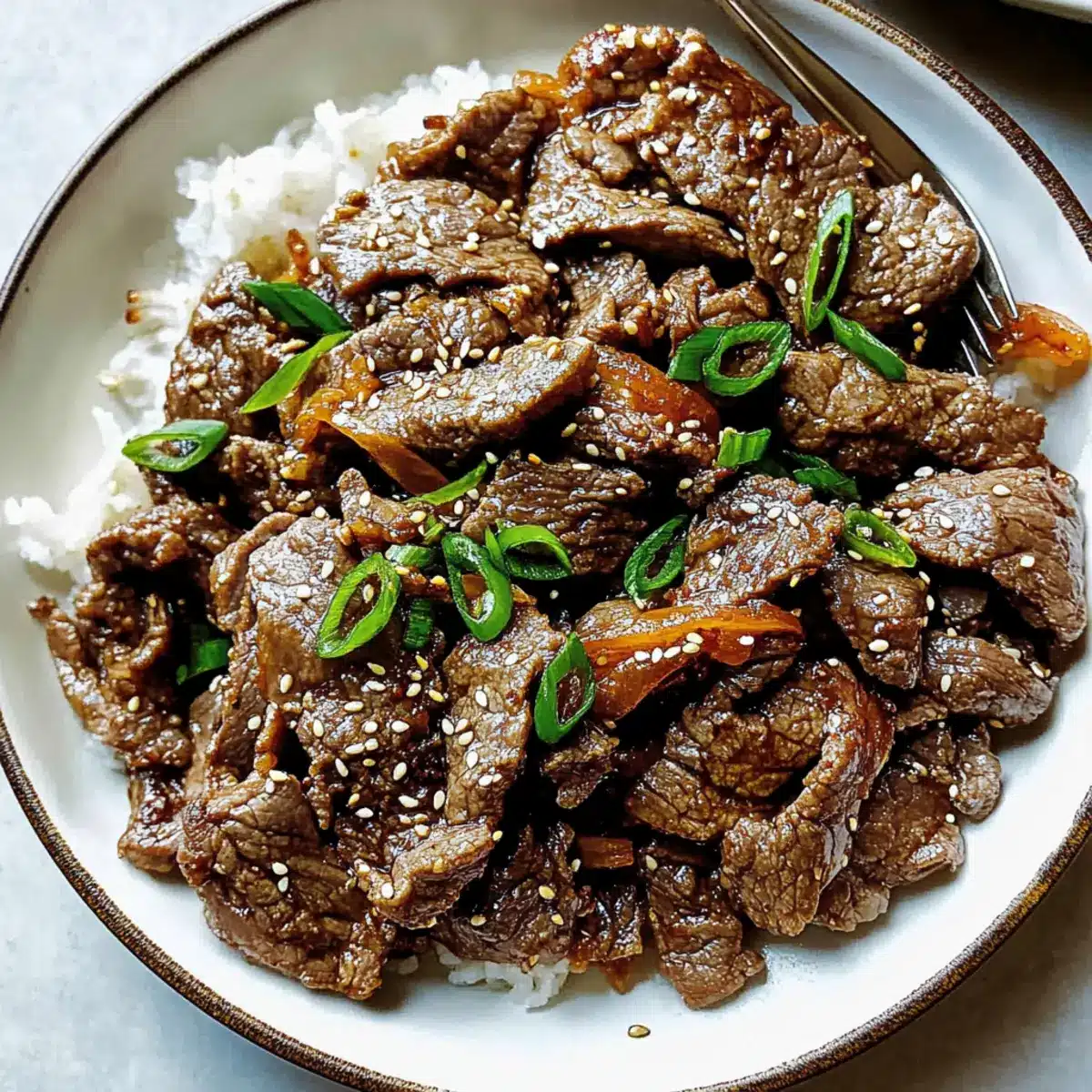
In a large serving dish, mix the cooked beef together, ensuring it’s well combined. Garnish your Korean Beef Bulgogi with thinly sliced green onions and 1 teaspoon of toasted sesame seeds for added crunch. Serve hot alongside steamed rice or in fresh lettuce wraps for a delightful meal that showcases the deliciousness of Korean cuisine.
Make Ahead Options
These Korean Beef Bulgogi are perfect for meal prep enthusiasts! You can marinate the beef up to 24 hours in advance to ensure it soaks up the delicious flavors for a tender bite. Simply follow the marinade instructions and refrigerate the meat in an airtight container or zip-top bag. Additionally, the cooked beef can be stored in the refrigerator for up to 3 days. When you’re ready to serve, just heat the beef in a skillet over medium heat until warmed through—this keeps the flavors vibrant and the texture tender. This way, you can enjoy a restaurant-quality dish with minimal effort on busy weeknights!
Storage Tips for Korean Beef Bulgogi
-
Fridge: Store leftover Korean Beef Bulgogi in an airtight container in the refrigerator for up to 3 days. This helps maintain its tenderness and flavor.
-
Freezer: If you want to keep it longer, freeze the cooked beef in a sealed freezer bag for up to 2 months. Thaw overnight in the fridge before reheating.
-
Reheating: To reheat, gently warm the beef on the stovetop over low heat, adding a splash of water or broth to prevent drying out. This keeps the dish juicy and flavorful.
-
Marinade Storage: If you have leftover marinade, it can be refrigerated for up to 1 week. Consider using it to marinate more beef or even vegetables for a tasty BBQ experience!
What to Serve with Korean Beef Bulgogi
Imagine a dinner table adorned with vibrant colors and enticing aromas, perfectly complementing the rich flavors of your bulgogi.
-
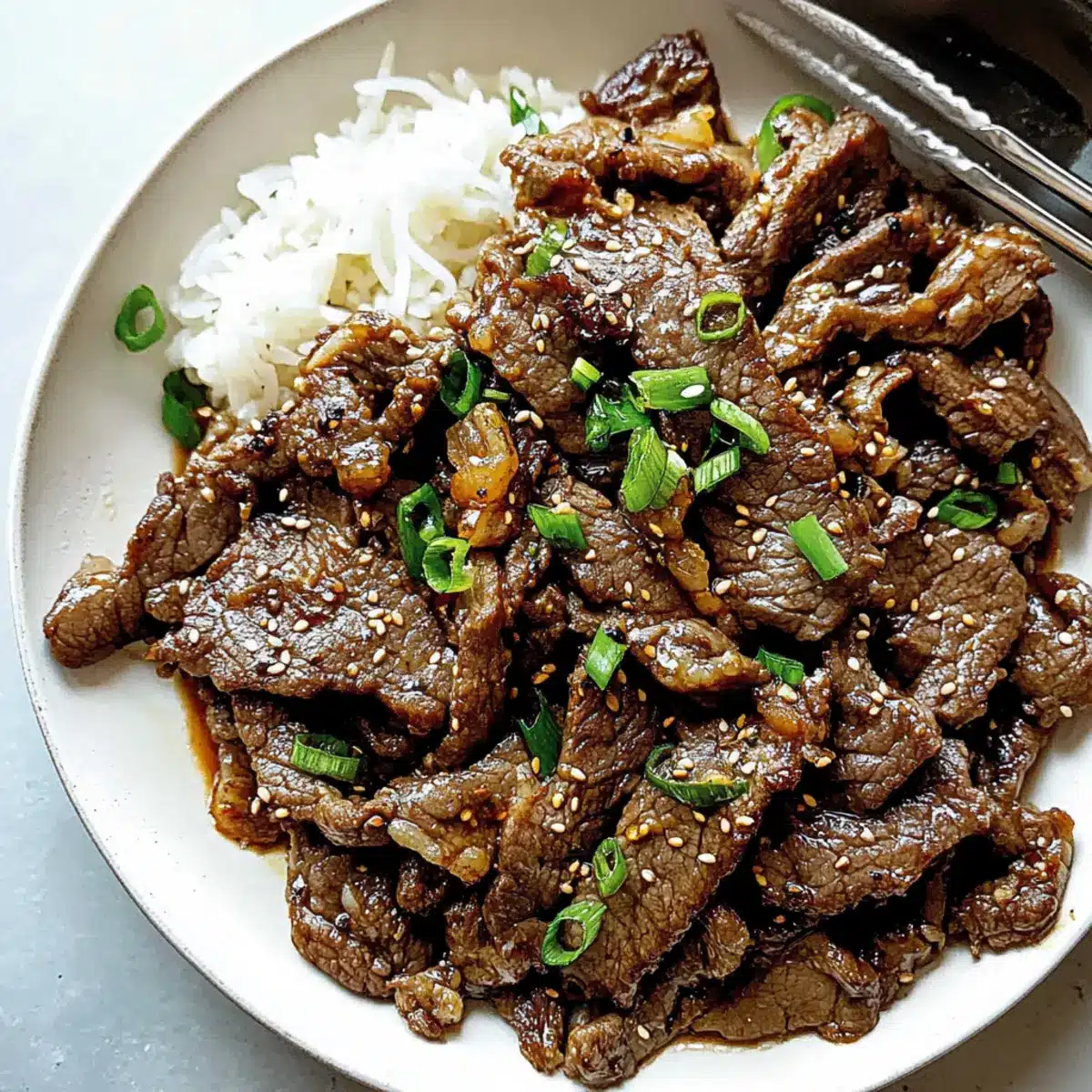
Steamed Rice: A classic pairing that soaks up the savory marinade, providing a comforting base for each flavorful bite. You can’t go wrong with fluffy rice to lighten the meal and balance every mouthful.
-
Lettuce Wraps: Crisp, fresh lettuce leaves serve as the perfect vessel for your bulgogi. Add some spicy kimchi for a zesty crunch that elevates the dish to new heights!
-
Kimchi: This traditional Korean side dish adds a spicy, tangy crunch to your meal, perfectly contrasting the tender meat with its bold flavors. It’s a mandatory accompaniment to complete this authentic experience.
-
Pickled Vegetables: A colorful medley of pickled cucumbers or radishes offers a refreshing, tangy bite that cleanses the palate. Their crunchiness enhances the overall texture of your meal while adding brightness.
-
Miso Soup: For a comforting start, a warm bowl of miso soup can set the tone for a cozy dinner. Its umami depth complements the bulgogi beautifully, making for a delightful combination.
-
Crispy Asian Potatoes: Serve roasted or fried baby potatoes seasoned with sesame oil for an earthy, nutty flavor that pairs well with the sweet-savory meat. These crispy bites will have everyone reaching for just one more!
-
Soju or Sake: A glass of chilled soju or hot sake provides a traditional beverage option that enriches the dining experience. The smoothness of these drinks harmonizes beautifully with the flavors of the bulgogi.
-
Chocolate Mousse: To finish on a sweet note, a light and airy chocolate mousse offers the perfect balance to the savory meal. Its richness is a delightful contrast to the bulgogi’s bold flavor, leaving everyone satisfied.
Korean Beef Bulgogi Variations & Substitutions
Feel free to put your own spin on this delightful dish and make it your own!
-
Dairy-Free: All the ingredients are already dairy-free! Enjoy without worry about dairy additions.
-
Lean Meat: Swap boneless ribeye for sirloin for a leaner take. It may alter the tenderness but still captures the flavors wonderfully.
-
Spice it Up: Add 1 teaspoon of gochujang (Korean chili paste) to the marinade for a spicy kick that complements the sweet-savory notes beautifully. Your taste buds will dance with delight!
-
Veggie Power-Up: Toss in some bell peppers or sliced mushrooms during cooking. They not only enhance the flavor but add beautiful texture and nutrition, making this dish even more wholesome.
-
Fruit Variations: If you’re out of Asian pear, a sweet apple like Gala works well. It provides the same natural sweetness, ensuring every bite is lovely.
-
Nutty Twist: Drizzle extra sesame oil over the finished dish for a deeper nutty flavor that elevates the taste experience, making it even more aromatic and inviting.
-
Wrap It Up: Instead of lettuce wraps, try using soft tortillas or rice paper to create fusion-style bulgogi tacos. Top with fresh cilantro and a squeeze of lime for a fresh twist that everyone will love!
Whenever you dive into this recipe, remember that the possibilities are endless—just like your culinary creativity! If you’re in the mood for more savory recipes, why not explore Ground Beef Dumplings or Chinese Beef and Broccoli for some exciting flavor adventures?
Expert Tips for Korean Beef Bulgogi
-
Slicing Beef: For best results, partially freeze the beef before slicing it. This makes it easier to cut thinly, ensuring tenderness in your Korean Beef Bulgogi.
-
Marinade Time: Don’t rush the marination process! Allowing the beef to marinate for at least 6 hours (up to 24) enhances the flavors and tenderness.
-
Cooking Technique: Whether grilling or pan-searing, maintain medium-high heat to achieve a lovely caramelization on the meat, bringing out its rich flavors beautifully.
-
Taste Test: Always sample the marinade before applying it to the beef. Adjust sweetness and saltiness to your preference for a perfectly balanced Korean Beef Bulgogi.
-
Serving Fresh: Serve your bulgogi immediately after cooking to enjoy its warm, juicy texture. Pair it with freshly steamed rice or lettuce wraps for an authentic experience.
Korean Beef Bulgogi Recipe FAQs
How do I select the right beef for bulgogi?
Absolutely! For the best results, use boneless ribeye, which is tender and flavorful. If you’re looking for a leaner cut, sirloin is a great option. Flank steak can be used, but be aware it’s less tender. Look for cuts with some marbling for extra flavor and moisture.
How should I store leftover Korean Beef Bulgogi?
You can store leftover Korean Beef Bulgogi in an airtight container in the refrigerator for up to 3 days. Make sure it’s completely cooled before sealing to maintain texture and flavor. If you want to enjoy it later, consider freezing!
Can I freeze Korean Beef Bulgogi?
Yes, you can! To freeze, place the cooked beef in a sealed freezer bag. It’ll keep well for up to 2 months. When you’re ready to enjoy it again, simply thaw overnight in the refrigerator. Reheat gently on the stovetop over low heat, adding a splash of water or broth to keep it juicy.
What should I do if my marinade doesn’t taste right?
Very good question! If your marinade tastes too salty or sweet, simply adjust it. Add a bit more sugar to balance saltiness or extra soy sauce if it’s too sweet. Remember to taste as you go! If it’s too strong, dilute with water or a touch more mirin.
Are there any dietary considerations I need to know for bulgogi?
Definitely! This recipe contains gluten due to soy sauce, so opt for a gluten-free variant if necessary. As for allergies, be mindful of sesame oil and check for any individual reactions to ingredients like garlic and ginger.
How ripe should the Asian pear be for the marinade?
You want an Asian pear that is firm yet slightly sweet. Look for ones that have smooth skin with no dark spots. If it’s overly ripe and mushy, it may not blend well into the marinade. If unavailable, a sweet apple like Gala can serve as a good substitute!
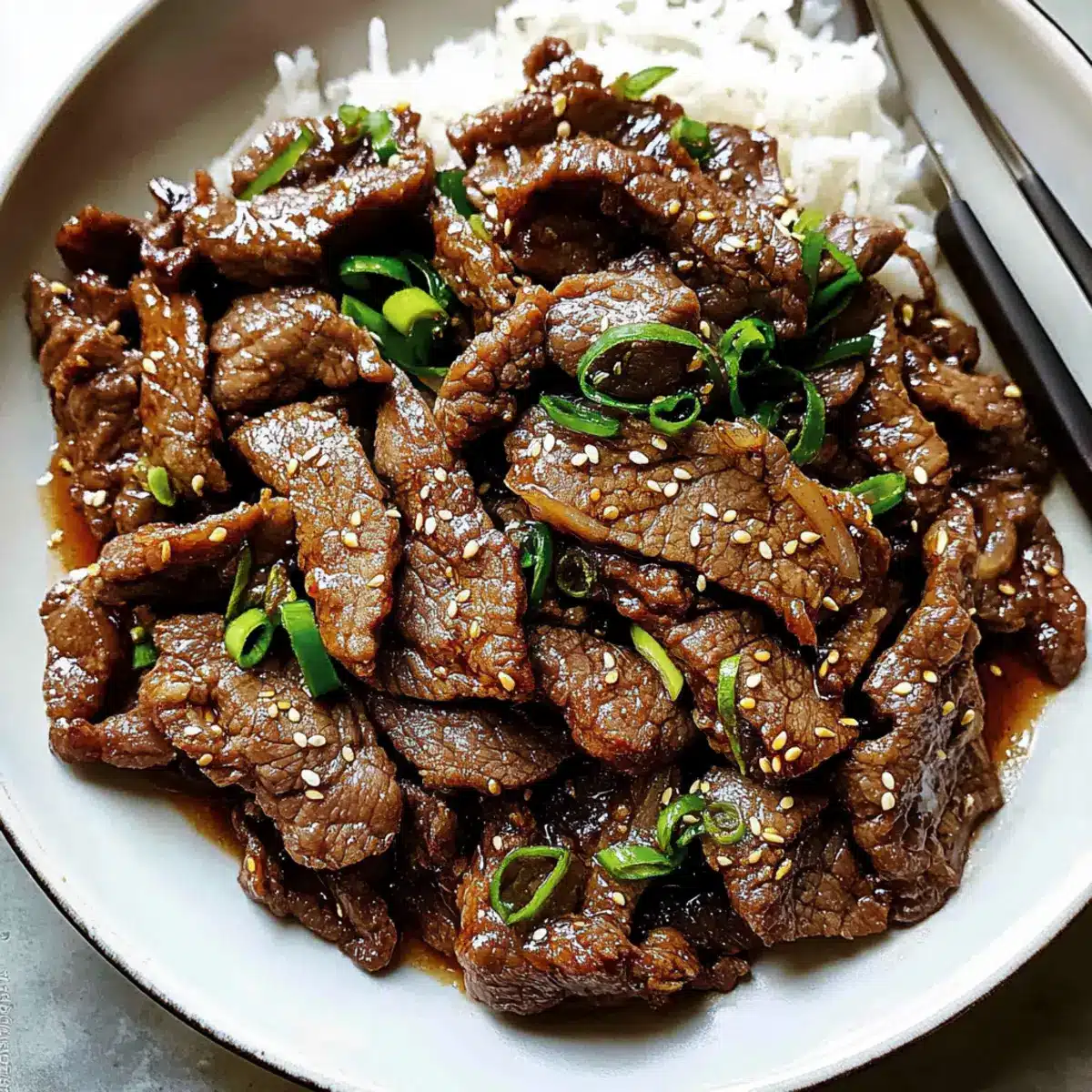
Korean Beef Bulgogi: A Tender, Flavorful BBQ Delight
Ingredients
Equipment
Method
- Prepare the Beef: Slice 1½ pounds of boneless ribeye thinly against the grain and transfer to a mixing bowl. Add ½ small sliced yellow onion.
- Make the Marinade: Combine ½ cup soy sauce, 3 tablespoons brown sugar, 2 tablespoons mirin, and 1 tablespoon sesame oil with ¼ teaspoon cracked black pepper, 1 chopped Asian pear, 2 minced garlic cloves, and 1 teaspoon minced ginger.
- Marinate the Beef: Pour marinade over beef and onion, coat evenly, refrigerate for 6 to 24 hours.
- Cook the Beef: Heat 2 tablespoons oil in a skillet, add half of marinated beef, cook for 4-6 minutes until cooked through.
- Finish Cooking: Cook the remaining beef, adding more oil if needed, until all is tender and glazed.
- Combine & Serve: Mix cooked beef in a serving dish, garnish with green onions and sesame seeds. Serve hot.
Leave a Reply