
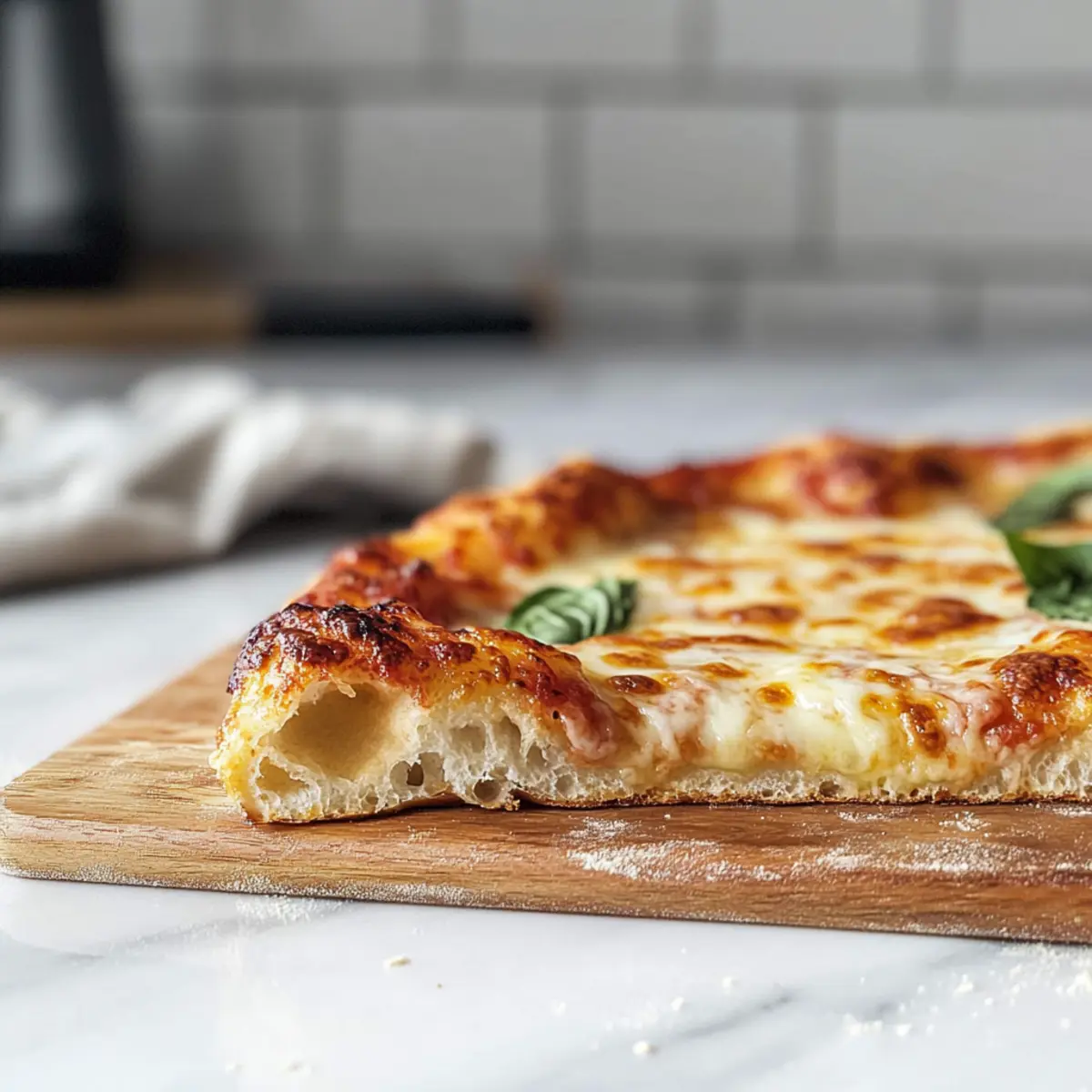
As I rolled out the dough, the kitchen filled with the intoxicating scent of freshly mixed flour and water, a simple yet magical combination. This artisan pizza dough is your ticket to creating the ultimate homemade pizza experience, featuring a perfectly crispy, chewy, and bubbly crust that rivals your favorite pizzeria. With its high hydration and long fermentation process, not only will you impress your friends and family, but you’ll also enjoy the satisfaction of crafting a masterpiece right in your own kitchen. Best of all, this dough is surprisingly easy to make, allowing you to bask in the joy of using only a handful of ingredients. Are you ready to elevate your pizza night and unleash your inner chef? Let’s dive into this delightful recipe!

Why is Artisan Pizza Dough a Game Changer?
Artisan pizza dough offers a culinary adventure right in your kitchen. Effortless preparation: This recipe simplifies pizza-making, requiring just a few core ingredients and minimal hands-on time. High hydration magic: Attaining that coveted crispy yet chewy crust is a breeze with its unique water content. Flavor packed: The long fermentation process enriches the taste, bringing out complex flavors you’d expect from a pizzeria. Versatile canvas: Add your favorite toppings or sauces, from classic pepperoni to gourmet options like a creamy burrata paired with arugula. Want more pizza inspiration? Check out my Roasted Garlic Pizza or try these fun Pepperoni Pizza Bombs. Impressive results: Your friends and family will be raving about your homemade pies, making you the star of pizza night every time!
Artisan Pizza Dough Ingredients
For the Dough
• 00 Flour – Provides a delicate flavor and chewy texture; you can use high-quality all-purpose flour if 00 is unavailable.
• Water – Hydrates the flour for a sticky dough; ensure it’s at room temperature for best results.
• Salt – Enhances flavor and strengthens the dough structure; keep it around 10g for optimal taste.
• Yeast (¼ tsp) – A minimal amount for slow fermentation; instant yeast works well without needing to activate it in water.
For Additional Flavor (Optional)
• Herbs or Garlic Powder – Experiment by adding these directly into the dough for extra flavor; be cautious of burning during baking.
Step-by-Step Instructions for Artisan Pizza Dough
Step 1: Mixing Dough
In a large mixing bowl, combine the 00 flour and room temperature water until no dry flour remains. Let the mixture rest for 30 minutes; this process, known as autolyse, will help the flour absorb the water and develop gluten. You’ll know it’s ready when the dough appears slightly sticky yet cohesive, setting the stage for a beautifully textured artisan pizza dough.
Step 2: Incorporate Yeast and Salt
After the autolyse period, sprinkle the instant yeast and salt over the dough. Using your hands, gently fold and pinch the mixture until fully incorporated. This should take about 2-3 minutes. The dough will become slightly smoother and more elastic as you work it. Make sure there are no dry patches and the salt is well-distributed.
Step 3: Bulk Fermentation
Transfer the dough into a lightly oiled container, ensuring it has enough space to expand. Cover it with a damp cloth or plastic wrap and let it ferment at room temperature for 5-6 hours. The dough will rise and then gently collapse when it’s fully fermented. If you prefer a deeper flavor, place the container in the fridge and let it ferment for up to 2 days.
Step 4: Dividing and Shaping
Once bulk fermentation is complete and the dough has a bubbly surface, turn it out onto a floured work surface. Divide the dough into 2-4 equal portions, depending on the size of your pizzas. Gently shape each piece into a tight ball by folding edges toward the center, creating surface tension. Cover with plastic wrap to prevent any drying out while you prepare the next steps.
Step 5: Resting the Balls
Allow the shaped dough balls to rest at room temperature for 1 hour. This resting period relaxes the gluten, making the dough easier to stretch without tearing. You’ll notice the dough balls will slightly puff up, signaling they are ready to become that perfectly bubbly crust for your artisan pizza.
Step 6: Baking
Preheat your oven and baking surface (like a pizza stone or steel) to its highest temperature, typically around 500°F (260°C). Carefully stretch each dough ball into your desired pizza shape, adding your favorite toppings. Bake your pizzas for 8-10 minutes until the crust is golden brown and bubbly. Keep an eye on them, as baking time can vary slightly based on thickness and topping load.

How to Store and Freeze Artisan Pizza Dough
- Room Temperature: If you plan to use the dough the same day, it can rest at room temperature for up to 6 hours after bulk fermentation. Cover it to prevent drying out.
- Fridge: For longer storage, refrigerate the dough for up to 2 days to enhance its flavor through slow fermentation. Always keep it in an airtight container.
- Freezer: Shape the dough into balls after the second rise and freeze for up to 3 months. Thaw overnight in the fridge before using for your next pizza night.
- Reheating: If you’ve baked pizzas and have leftovers, store them in an airtight container in the fridge for up to 3 days. Reheat in a hot oven for that freshly baked taste!
Artisan Pizza Dough – Customizations Galore
Feel free to get creative and tailor this artisan pizza dough to your family’s taste and dietary needs. The possibilities are as delightful as the aromas filling your kitchen!
- Whole Wheat: Substitute half of the 00 flour with whole wheat for a rustic flavor and added nutrition. The slight nuttiness pairs beautifully with toppings like roasted vegetables.
- Spelt Flour: Use spelt flour for a unique twist that also boosts fiber content. This flour lends a slightly sweet taste while still providing a chewy crust.
- Garlic-Infused Oil: Mix in a tablespoon of garlic-infused olive oil into the dough for added depth. This simple change makes a world of difference and brings a mouthwatering aroma to your pizza.
- Herbed Delight: Incorporate finely chopped fresh herbs like basil or rosemary into the dough for an aromatic kick. This variation brings a fresh garden essence to your finished pizza.
- Spicy Kick: For those who crave heat, add a pinch of red pepper flakes into the dough. This subtle spicy note enhances the overall flavor without overpowering your toppings.
- Experiment with Sweetness: Add a tablespoon of honey or sugar for a touch of sweetness, balancing savory toppings perfectly. Imagine a delightful caramelized onion and goat cheese pizza!
- Low-Carb Option: If you’re looking for a low-carb version, consider using almond flour mixed with eggs. This creates a different texture but can still be a tasty crust alternative.
- Flavorful Toppings: Play with your toppings. Try a spicy taco blend for a unique twist or mix in gourmet cheeses like gorgonzola with a drizzle of balsamic glaze.
Don’t forget to pair your homemade masterpiece with a delectable dipping sauce, or explore classic options like the Roasted Garlic Pizza for even more excitement at your table!
What to Serve with Artisan Pizza Dough
Elevate your pizza night with the perfect accompaniments that bring out the best flavors and textures of your homemade creation.
- Classic Marinara Sauce: A rich and tangy sauce that complements the chewy crust, perfect for dipping or topping.
- Fresh Arugula Salad: The peppery greens add brightness and crunch, creating a delightful contrast to the crusty pizza.
- Garlic Knots: Soft, buttery, and infused with garlic, they’re a heavenly side that pairs beautifully with any pizza.
- Charcuterie Board: Include cured meats, cheeses, and olives to create a gourmet experience that’s shareable and indulgent.
- Roasted Vegetables: Oven-roasted seasonal vegetables bring a caramelized sweetness, enhancing your pizza with vibrant flavors and earthy notes.
- Craft Beer or Wine: A crisp lager or a bold red wine seamlessly complements the rich flavors of pizza, enhancing your dining experience.
A combination of these sides will not only satisfy your appetite but also make your pizza night an extraordinary culinary adventure!
Make Ahead Options
These artisan pizza dough preparations are perfect for busy cooks looking to save time during the week! You can prepare the dough up to 3 days in advance by following the bulk fermentation step and then refrigerating it in an oiled container. This slow fermentation not only enhances flavor but also allows for easy assembly later. When you’re ready to bake, simply divide and shape the dough, letting it rest at room temperature for about 1 hour until puffy. If you prefer, you can also freeze shaped dough balls after the second rise; just thaw them in the fridge overnight before baking for equally delicious results.
Expert Tips for Artisan Pizza Dough
• Weigh Your Ingredients: Using a digital kitchen scale ensures precise measurements, leading to consistent results every time you make your artisan pizza dough.
• Hydration Matters: High hydration is key to achieving that crispy, chewy texture. Don’t shy away from the water; it helps create those beautiful bubbles!
• Handling Sticky Dough: Wet your hands when working with sticky dough to avoid adding excess flour, which can weigh down your crust.
• Give it Time: Patience is your best friend—allow for adequate fermentation. The longer the dough rests, the deeper the flavor.
• Easy Stretching: Let the dough balls relax after shaping to prevent tearing; this makes stretching easier and leads to a perfect artisan pizza crust.
• Oven Preheat: Preheat your oven and baking surface to the maximum temperature. This ensures a crispy bottom that mimics a wood-fired pizza experience!
Artisan Pizza Dough Recipe FAQs
How do I select the right type of flour for artisan pizza dough?
Opt for 00 flour for its delicate flavor and chewy texture, which is ideal for artisan pizza. If it’s not available, high-quality all-purpose flour is a great substitute. Look for flour with high protein content for best results.
What’s the best way to store homemade pizza dough?
If you plan to use the dough the same day, simply cover the bowl for up to 6 hours at room temperature. For longer storage, transfer it to an airtight container and refrigerate for up to 2 days for enhanced flavor.
Can I freeze artisan pizza dough? If so, how?
Absolutely! After the second rise, shape the dough into balls and lay them on a baking sheet. Once frozen solid, transfer the dough balls into a freezer bag. They can be frozen for up to 3 months. When you’re ready to use them, transfer one to the fridge to thaw overnight before baking.
Why did my pizza dough not rise as expected?
There could be a few reasons: make sure your yeast is fresh, as expired yeast can inhibit rising. If your kitchen is too cold, it might slow the fermentation process. For optimal results, ferment at room temperature for 5-6 hours or use the fridge for longer flavor-enhancing fermentation.
Is this artisan pizza dough safe for people with gluten allergies?
Unfortunately, no. Artisan pizza dough contains flour and yeast, making it unsuitable for individuals with gluten allergies or celiac disease. For gluten-free options, consider using designated gluten-free flours and adjusting the recipe accordingly.
How long does baked pizza last in the fridge?
Baked pizza can be stored in an airtight container in the refrigerator for up to 3 days. To reheat, pop it back in a hot oven (around 375°F or 190°C) for a few minutes until warmed through for that freshly baked taste!

Crispy Artisan Pizza Dough for Home-Pizza Perfection
Ingredients
Equipment
Method
- Combine 00 flour and room temperature water in a large bowl until no dry flour remains. Let it rest for 30 minutes.
- Sprinkle instant yeast and salt over the dough, gently fold and pinch until incorporated (2-3 minutes).
- Transfer dough to a lightly oiled container, cover, and ferment at room temperature for 5-6 hours.
- Turn the dough onto a floured surface, divide into 2-4 portions, and shape each into a ball.
- Allow the shaped balls to rest at room temperature for 1 hour.
- Preheat the oven and baking surface to 500°F (260°C). Stretch each dough ball and bake for 8-10 minutes.
Leave a Reply